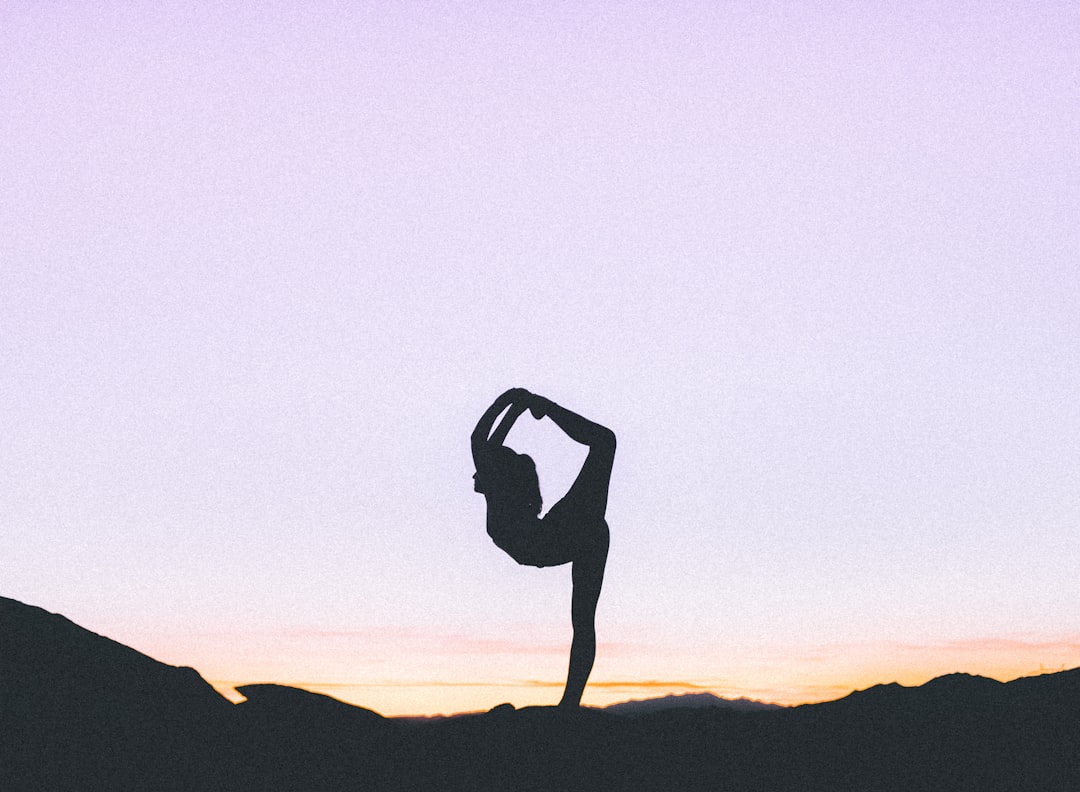
Building a sense of community is a cornerstone in both competitive sports and the practice of yoga. While these two disciplines may seem different in pace and intensity, their communities share remarkable parallels in how they foster connection, teamwork, and mental health support. This definitive guide investigates the powerful role community plays in these worlds, revealing how the bonds formed through yoga and sports serve as essential support systems for wellness seekers and caregivers alike.
1. Understanding Community Building in Sports and Yoga
Community as the Foundation of Engagement
In both yoga and sports, community acts as the platform for individuals to engage meaningfully beyond the physical activity alone. Sports teams exemplify traditional group dynamics where shared goals cultivate camaraderie and mutual accountability. Similarly, yoga communities—whether in a physical studio or virtual environment—foster belonging and personal growth that transcends the mat.
Comparing Sports Team Dynamics to Yoga Groups
Sports teams rely on coordinated teamwork and clear roles, cultivating trust and synchronized effort toward winning. Meanwhile, yoga groups emphasize mindfulness and individual progress while still nurturing collective upliftment. Despite these differences, both environments promote supportive relationships that encourage persistence and resilience.
The Role of Shared Experience in Strengthening Bonds
The collective experience of training, practicing, or competing generates a powerful sense of unity. Athletes often cite post-game celebrations or challenging practices as moments forging deep friendships. Yoga practitioners experience similar bonds via group classes, retreats, or forums, providing emotional support and reducing feelings of isolation.
2. How Teamwork Manifests in Yoga
Partner and Group Yoga Practices
Teamwork in yoga can be directly observed in partner poses and group flows that require cooperation and trust. These exercises demand communication and mutual respect, reinforcing the idea that yoga is not just a solitary practice but also a collective journey.
Instructor-Led Communities and Peer Support
Qualified yoga teachers cultivate communities centered on shared learning and encouragement. These roles mirror coaches in sports, guiding individuals while fostering inclusive environments. Access to trusted instructors is critical, as highlighted in our detailed guide on mindfulness practices for better wellness.
Accountability and Motivation Within Yoga Circles
Just as sports teams use rosters and schedules to keep players committed, yoga communities employ regular classes and challenges to motivate attendance and engagement. Being part of these communities provides the accountability needed to maintain consistent practices that benefit mental and physical health.
3. Mental Health Benefits Driven by Community
Stress Reduction through Social Connectedness
Social support in sports and yoga community environments profoundly impacts stress levels. Group interactions trigger serotonin and oxytocin release, which combat anxiety and depressive symptoms. The supportive atmosphere of a yoga class or sports team practice session can thus be as therapeutic as the physical activity itself.
Building Resilience and Coping Mechanisms Together
Facing setbacks is common both in sports competition and yoga progress. Community members often share stories of overcoming difficulties, which normalizes struggles and builds collective resilience. This can be critical for individuals managing chronic stress or mental health challenges.
Emotional Regulation and Mindfulness Practices
The integration of mindfulness in yoga offers participants tools for emotional regulation that sports teams are increasingly adopting. For evidence-based techniques on mindfulness, see our resource on mindfulness for wellness. Cultivating this skill in community settings enhances mental well-being through shared practice and mutual encouragement.
4. The Science Behind Connection and Wellness
Neuroscience of Group Interaction
Scientific studies demonstrate that engaging in community activities triggers neural pathways related to reward and social bonding. These biochemical responses underpin the effectiveness of group exercise in promoting feelings of happiness and lowering blood pressure, crucial for holistic health.
Community Support as a Predictor of Long-Term Practice Success
Research shows individuals embedded in strong social networks are more likely to maintain regular exercise routines, including yoga and sports, contributing to better overall health outcomes. This underscores the importance of prioritized community involvement.
The Intersection of Physical and Psychological Benefits
The synergy of physical movement with social bonding creates a feedback loop enhancing the benefits of both. As people grow physically stronger and more flexible, their confidence rises, which positively influences mental health through community validation and shared joy.
5. Creating Inclusive Community Spaces for All Levels
Welcoming Newcomers in Sports and Yoga
A thriving community actively welcomes beginners, reducing intimidation and fostering inclusion. Strategies include buddy systems, beginner-friendly classes, and clear communication. For more on building inviting environments, explore our article on mindful practices that ease entry into yoga.
Adapting to Diverse Abilities and Styles
Both sports teams and yoga classes benefit immensely from accommodating various skill levels and physical abilities. Offering modifications and inclusive programming promotes sustained engagement and community diversity.
Utilizing Technology to Foster Virtual Communities
Online platforms extend the reach of community beyond geography, providing virtual classes, discussion groups, and support forums. These tools help maintain practice consistency and social connection, whether in yoga or sports contexts.
6. Case Studies: Exemplary Yoga and Sports Communities
Yoga Studios as Community Hubs
Studios such as local neighborhood centers or specialized schools focus on holistic wellness that combines physical practice with social events, workshops, and community outreach. These multifaceted roles mirror the community-centric approach seen in successful sports clubs.
Sports Teams Transforming Mental Health Culture
Professional and amateur teams increasingly prioritize mental health by integrating mindfulness, peer conversations, and counseling. Such initiatives illustrate the evolving understanding of teamwork as a vehicle for emotional as well as physical support.
Hybrid Models: Yoga and Sports Integration
Some communities merge elements of competitive sports and yoga practice, emphasizing physical conditioning alongside mindfulness and recovery. This blend fosters balanced wellbeing and reflects innovative approaches to community engagement.
7. The Role of Leadership and Facilitation in Community Strength
Coaches and Teachers as Community Anchors
The ability of leaders to create trustful, motivating atmospheres is crucial. Well-trained coaches and yoga instructors act as facilitators who maintain community health through inclusive language, consistent communication, and adaptability.
Peer Leadership and Community Empowerment
Empowering members to take active roles in organizing events or supporting newcomers strengthens community bonds and shared ownership. This grassroots leadership fosters sustainability and deeper engagement.
Conflict Resolution and Maintaining Harmony
Effective community leadership also includes managing conflicts harmoniously to preserve safe, respectful spaces. Transparent guidelines and mediation processes contribute to long-term community wellbeing.
8. How to Foster Your Own Yoga or Sports Community
Starting Small: Local Meetups and Group Classes
Begin by organizing consistent small-group sessions either at gyms, parks, or virtual platforms to nurture initial connections. Providing structure with clear schedules and shared goals is key to growing membership.
Leveraging Social Media and Online Platforms
Utilize digital tools to announce events, share educational content, and celebrate member achievements. This approach extends reach and strengthens communal identity.
Organizing Events and Retreats for Deeper Connection
Special gatherings such as workshops, retreats, or tournaments deepen relationships through immersive shared experiences. These events become pillars of ongoing community engagement.
9. Essential Gear and Spaces that Support Community Practice
Choosing the Right Yoga Mats and Accessories
Comfortable, durable gear enhances participant experiences, minimizing distractions and injuries. For trusted product advice, refer to our comprehensive gear reviews.
Optimizing Spaces for Safety and Inclusivity
Physical layout and accessibility influence the sense of welcome. Ample space for movement, good lighting, and accommodations for disabilities contribute to empowering environments.
Facilities and Equipment for Team Sports
Quality facilities with appropriate equipment allow teams to train effectively and socialize post-practice. Investing in communal spaces, such as lounges or meeting rooms, promotes informal bonding.
10. Measuring the Impact of Community on Wellness Outcomes
Tracking Physical Progress and Motivation
Communities facilitate goal setting and monitoring through shared benchmarks, progress challenges, and feedback loops. Peer encouragement increases adherence and achievement.
Mental Health Improvements Correlated with Community Engagement
Surveys and clinical data confirm reductions in depression and anxiety symptoms among individuals who regularly participate in supportive group activities like yoga classes or team sports.
Long-Term Sustainability of Practice
Community involvement is a significant predictor of maintaining healthy physical activity habits over years, illustrating its critical role in lifelong wellness.
| Aspect | Sports Community | Yoga Community |
|---|---|---|
| Primary Focus | Competitive teamwork, physical performance | Mindfulness, physical and mental balance |
| Community Interaction | Structured via team roles, practice, competition | Structured via classes, workshops, retreats |
| Support System | Coach-led, peer accountability | Instructor-led, peer encouragement |
| Inclusivity Efforts | Tryouts, skill divisions | Class levels, pose modifications |
| Mental Health Role | Increasingly integrated via mindfulness and counseling | Intrinsic focus on stress reduction and resilience |
Pro Tip: Consistency is key for both sports teams and yoga classes—building relationships around regular group interaction cements community bonds and maximizes mental health benefits.
11. Frequently Asked Questions (FAQ)
What makes a yoga community different from a sports team?
Yoga communities prioritize mindfulness and individual progress within a collective space, while sports teams often focus on competitive teamwork and specialized roles. However, both value support, connection, and shared goals.
How can community support reduce stress?
Being part of a community triggers social bonding hormones and offers emotional support, which lowers stress and anxiety compared to solitary practice.
Can online yoga communities be as effective as in-person ones?
Yes, virtual platforms enable regular interaction, accountability, and shared learning, effectively fostering connection and wellness across distances.
What role do instructors and coaches play in community building?
They provide guidance, foster safe environments, motivate engagement, and mediate conflicts, anchoring the community around shared values and goals.
How do I start building a community in my local area?
Begin with small, consistent meetups, use social media to connect and promote, and focus on inclusion and shared experiences to nurture belonging and growth.
Related Reading
- Star Wars and the Art of Letting Go: Mindfulness for Franchise Fatigue – Explore mindfulness techniques that enrich yoga and sports mental health support.
- Rebuilding Motivation After VR Fitness Goes Away: Swim-Specific Mental Strategies – Insights on sustaining motivation in community fitness contexts.
- Team Kitchens: Bringing the 'Culinary Class Wars' Team Format to Street Food Festivals – Lessons on teamwork and camaraderie translatable to sports and yoga.
- WWE Conditioning Unpacked: How Drew McIntyre’s Training Compares to Pro Football Strength Work – A look into disciplined training regimes and team dynamics.
- How to Use a Journal to Upgrade Your Grooming, Style and Daily Routine – Techniques that complement community-based wellness practices.