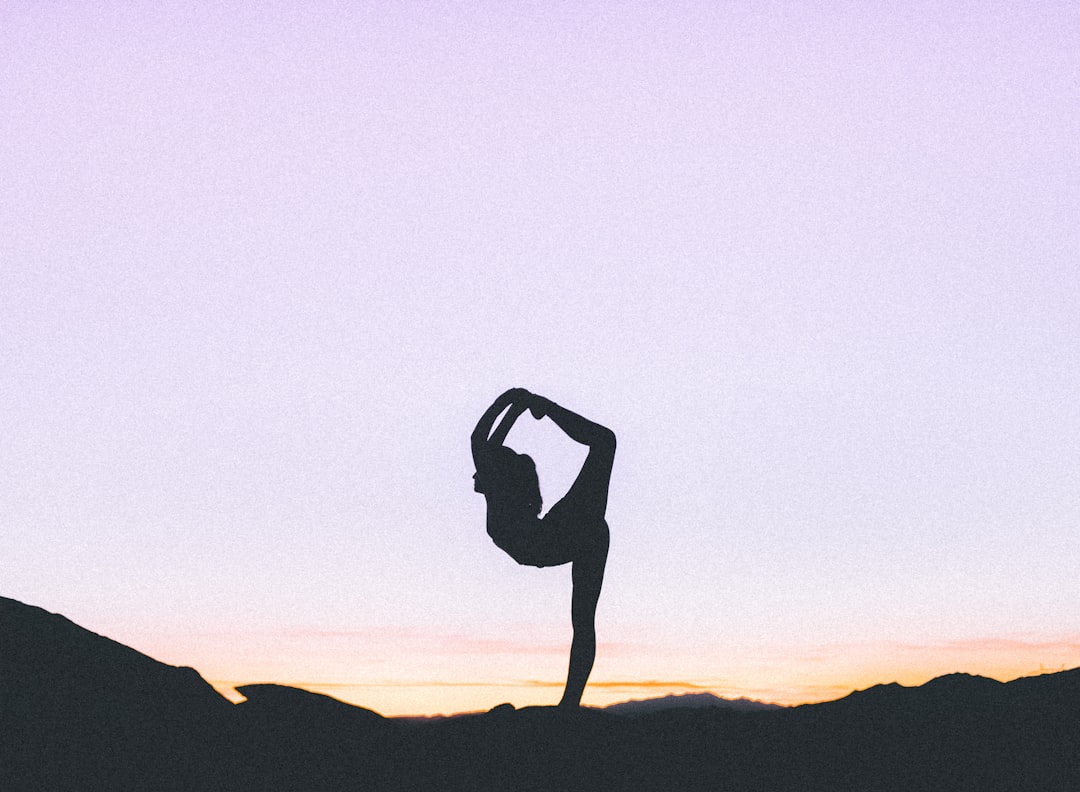
Yoga practice is as much an art as it is a discipline. While traditional sequences provide structure and progression, infusing playfulness inspired by the narratives and movements found in modern gaming can transform your practice into an engaging adventure that sparks creativity, joy, and deeper connection. In this definitive guide, we’ll explore how adopting game-like playful movements in your yoga sequence unlocks new dimensions of user engagement and well-being. Ready to level up your flow? Let's dive in.
1. The Science and Psychology of Playfulness in Movement
1.1 Why Playfulness Matters for Well-being and Creativity
Play is fundamental to human development and mental health. Neuroscientific research highlights that playful activities activate dopamine pathways, enhancing motivation, focus, and mood. Integrating play into yoga not only reduces performance pressure but also invites experimentation and joy, which are crucial for skill progression. In the wellness context, playful movement stimulates proprioception and cognitive flexibility, improving body awareness and mindfulness.
1.2 The Role of Movement Variety in Skill Acquisition
Repetitive practice is essential for building yoga proficiency; however, too much repetition can lead to monotony and disengagement. Embedding varied and playful movement patterns challenges your neuromuscular system differently, promoting faster motor learning and adaptive capacity. For a comprehensive breakdown on progressing yoga skills effectively, see our skill progression tutorials.
1.3 Engaging the Mind-Body Connection through Play
Mental engagement is vital in yoga sequencing. Playful movements, inspired by unpredictable game mechanics or narrative cues, require active problem solving and creativity, enhancing your mind-body integration. This dynamic challenge elicits flow states, where practice becomes immersive and effortless, aligning with the highest forms of meditation and mindfulness documented in meditation and mindfulness for sports.
2. Drawing Inspiration: How Gaming Narratives Translate to Yoga Movements
2.1 Storytelling and Character Movement Analogies
Video games often revolve around stories where characters embark on quests requiring physical and mental agility. By drawing parallels between these narratives and your yoga sequences, you can create movements embodying characters' journeys—be it the stealthy agility of a rogue or the grounded power of a warrior. This narrative immersion elevates user engagement, an approach analogous to techniques discussed in personalizing engagement in virtual events.
2.2 Movement Mechanics: Jump, Dodge, Slide and Flow
Incorporate dynamic gaming mechanics into your yoga by introducing playful hops, side-steps, or flowing transitions resembling a character dodging obstacles or gliding through environments. These movements enrich conventional yoga postures, prompting better balance and coordination. For more on creative sequencing, explore our guide on sequencing for beginners.
2.3 Using Game Progression Concepts to Structure Sequences
Game levels increase challenge progressively, a useful model for skill progression in yoga. Designing sequences that start with simple playful movements and gradually introduce complexity mirrors this approach, boosting motivation and a sense of achievement. For practical examples, see advanced tutorials for progression.
3. Designing Playful Yoga Sequences: Principles and Practices
3.1 Setting Intentions and Objectives
Begin your design by clarifying the intention: to spark creativity, build functional strength, enhance flexibility, or deepen mindfulness—all via playfulness. Clear objectives help tailor movements and sequences that balance challenge with fun. For goal setting and motivation, check building a consistent yoga practice.
3.2 Movement Selection: Balancing Novelty and Familiarity
Select movements that are accessible but allow playful variation—such as playful arm waves inspired by game avatars or asymmetrical lunges mimicking tactical dodges. Blend these with foundational poses for stability. Our foundational pose guides provide reliable anchors while you experiment.
3.3 Transition Fluidity and Sequencing Logic
Effective sequences pivot on smooth transitions, akin to seamless gameplay. Integrate playful bridges — gentle spins or side slides — to maintain flow and prevent rigidity. This enhances endurance and mental engagement, topics fully explored in sequencing tutorials on fluidity.
4. Examples of Playful Movement Patterns Inspired by Gaming
4.1 The “Level-Up” Leap Flow
Inspired by jumping mechanics, this flow alternates single-leg hops in warrior poses with subtle arm variations mimicking power-ups. Effective for cardiovascular boost and balance enhancement.
4.2 The “Stealth Mode” Side Glide Sequence
Emulating character dodging, use low side lunges combined with careful weight shifts and arm wraps to foster core engagement and hip flexibility. This playful flow encourages focus and agility.
4.3 The “Boss Fight” Strength Builder
Simulate the intensity and focus of boss battles by holding grounded postures (e.g., chaturanga, plank) with playful finger taps or eye movements following imaginary targets to elevate mind-body integration.
5. The Role of Music and Sound in Enhancing Playfulness
5.1 Game Soundtracks as Movement Catalysts
Dynamic game soundtracks can elevate energy and inspire rhythmic flow. Curate playlists that complement your sequences, much like streaming indie tracks boosts engagement according to indie music streaming alternatives.
5.2 Synchronizing Breath and Movement with Audio Cues
Use audio cues to indicate movement shifts and encourage mindfulness. This method aligns with practices detailed in breathwork and meditation, reinforcing focus and relaxation.
5.3 Creating Interactive Audio-Visual Experiences
Consider integrating light or visual stimuli synchronized with movements for a multi-sensory playful practice, similar in concept to deploying portable LED panel kits in creative studios.
6. Addressing Common Challenges When Adding Playfulness
6.1 Avoiding Overwhelm and Ensuring Safety
Play does not mean reckless. Maintain alignment and listen to your body to prevent injuries. Use foundational sequences as scaffolds, drawing from foundational practice routines.
6.2 Balancing Play with Mindfulness
While play fosters light-heartedness, maintain an undercurrent of mindfulness. This duality nurtures well-being and skill depth, as elaborated in mindfulness in yoga practice.
6.3 Modifying Playful Movements for Different Levels
Customize movement complexity for beginners versus advanced practitioners. For detailed adaptive strategies, see adaptive yoga modifications.
7. Tracking Progress and Sustaining Engagement Through Play
7.1 Using Journaling and Reflection
Document playful movements and subjective experience to cultivate insight and motivation. This self-coaching method complements insights found in journaling for yoga practitioners.
7.2 Incorporating Gamification Elements
Introduce challenges, badges, or milestones to your routine to celebrate achievements and encourage consistency. Techniques similar to those used in live course gamification can inspire your approach.
7.3 Community Engagement and Shared Playful Experiences
Join or form groups for playful yoga sessions to boost accountability and joy, akin to community event methods detailed in community micro events playbook.
8. Gear and Space Considerations for Playful Yoga
8.1 Choosing Mats and Props That Encourage Movement Freedom
Selecting gear that supports dynamic shifting and playful transitions is essential. High-quality mats with good grip and cushioned support can be explored in our mat buying guide.
8.2 Optimizing Your Practice Space
A decluttered, safe space with room for lateral and jumping movements maximizes playful sequence potential. Lighting enhancements, such as those found in LED lighting solutions, can create mood and excitement.
8.3 Tech Tools for Movement Feedback
Wearables and AI-powered apps provide feedback for improving playful movement quality and progression. For emerging trends in wellness tech, see wearables for movement and calming.
9. Comparison Table: Traditional Yoga Sequence vs Playful Gaming-Inspired Sequence
| Aspect | Traditional Yoga Sequence | Playful Gaming-Inspired Sequence |
|---|---|---|
| Focus | Alignment, breath, gradual progression | Creativity, engagement, varied movement patterns |
| Movement Style | Deliberate, repetitive postures | Dynamic, exploratory, narrative-driven |
| User Engagement | Internalized concentration | Multisensory, game-like interaction |
| Skill Progression | Stepwise, incremental challenges | Level-based, with playful milestones |
| Emotional Tone | Calm, meditative | Joyful, exploratory, motivational |
Pro Tip: Use playful transitions as "power-ups" to break up static holds, refreshing energy and focus throughout your session.
10. FAQs: Playfulness in Yoga Practice
Q1: Is playfulness suitable for all yoga styles?
Absolutely! While styles like Vinyasa naturally lend themselves to playful flow, even restorative and Yin yoga can incorporate gentle imaginative movements to enhance relaxation and creativity.
Q2: How can beginners safely incorporate playful movements?
Start with simple variations of foundational poses that feel fun but controlled. Always prioritize safety and listen to your body. Our adaptive yoga guides for beginners provide tailored advice.
Q3: Can playful yoga help reduce stress?
Yes. Play stimulates positive emotions and reduces cortisol levels. Integrating playfulness with breathwork enhances relaxation, as explained in breathwork techniques for stress relief.
Q4: How often should I practice playful sequences?
Incorporate playful sequences regularly but balance them with slower, mindful sessions. This combination nurtures holistic well-being and skill balance.
Q5: What equipment is best for playful yoga at home?
A high-grip yoga mat, minimal props like blocks, and optional wearables for feedback suffice. For detailed recommendations, visit our gear reviews and buying guides.
Related Reading
- Building a Consistent Yoga Practice - Tips for maintaining motivation and routine.
- Skill Progressions in Yoga Tutorials - Stepwise approach to mastering yoga postures.
- Meditation and Mindfulness Techniques - Enhance focus and reduce stress.
- Yoga Gear Reviews and Buying Guides - Find trusted high-quality mats and accessories.
- Community Micro Events Playbook - Engage with local yoga and wellness events.