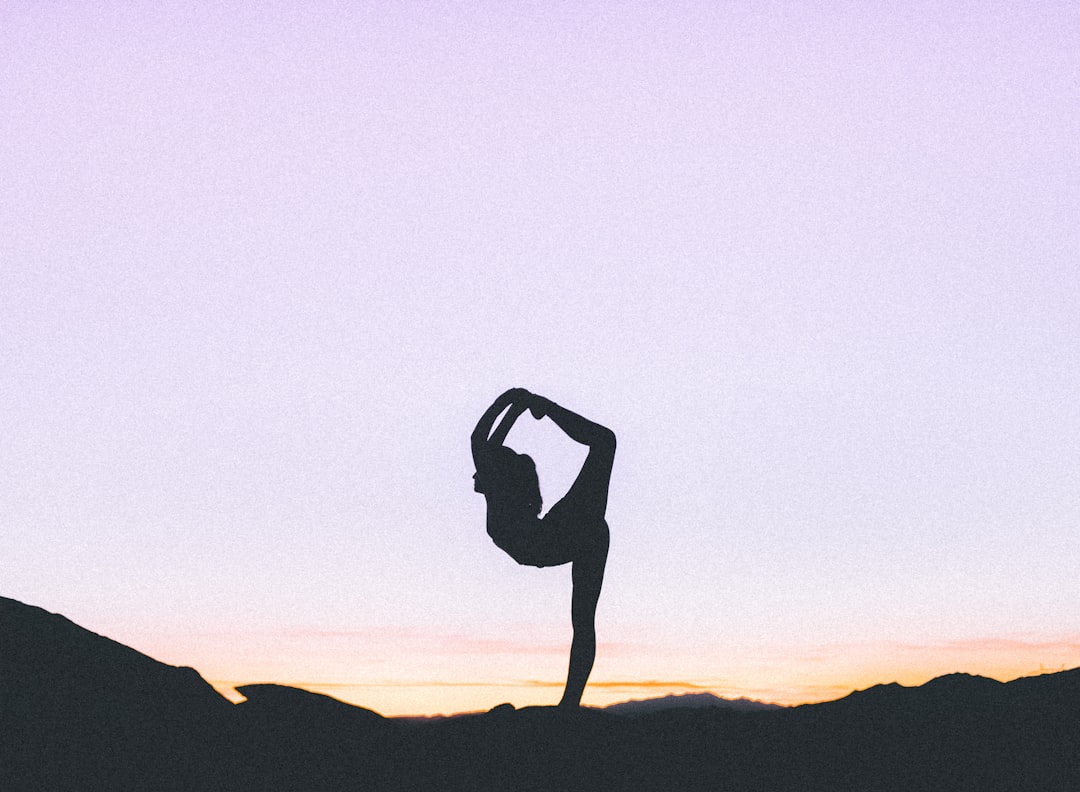
Power Vinyasa draws students for the challenge, aerobic benefits and the embodied sense of flow. But intensity without intelligent structure leads to fatigue, poor form and injury. This 45-minute plan is tailored to intermediate-to-advanced practitioners: it creates progressive heat, builds resilience in the shoulders and knees, and finishes with restorative balance to stimulate recovery.
Class overview and intention
Intention: cultivate strong, sustainable heat that supports clear alignment and ease in peak shapes.
- Level: intermediate/advanced
- Duration: 45 minutes
- Peak focus: Forearm balance variations and dynamic backbends
Structure and time allocation
- Grounding and breath (4 minutes)
- Warm-up and mobility (8 minutes)
- Building sequence — standing and core (15 minutes)
- Peak progression and variations (10 minutes)
- Cooldown and restorative counterposes (8 minutes)
1. Grounding and breath — 4 minutes
Begin with a seated or kneeling breath practice. Choose Ujjayi or diaphragmatic breath. Offer these cues:
- “Breathe to lengthen the front body on each inhale.”
- “Use the exhale to find the engaged core; imagine drawing your lower ribs to your pelvis.”
2. Warm-up and mobility — 8 minutes
Focus on thoracic extension, hip opening and shoulder prep.
- Cat-Cow with thoracic emphasis, 8 cycles
- Thread-the-needle x 6 each side
- Low lunge with dynamic ankle-to-knee lifts x 6 each side
- Downward dog to plank transitions, slow and controlled x 4
3. Building sequence — standing and core (15 minutes)
Use linked vinyasas to build heat and challenge balance.
- Sun A variations 3 rounds with emphasis on half-lift alignment
- Chair pose flow to low-squat and then to high-lunge; hold 3 breaths each side
- Standing balance sequence: Warrior II to Reverse Warrior to Extended Side Angle, repeat 2x
- Core integration: Navasana flows and side plank variations 2 sets
4. Peak progression and variations — 10 minutes
Peak shape is a forearm balance with a dynamic backbend flow. Offer accessible variations and preparatory exercises to protect the shoulders and spine.
Preparatory drills
- Forearm plank holds with scapular retraction focus, 30–45 seconds
- Dolphin to forearm down dog transitions to cultivate shoulder stamina
- Supported headstand prep against the wall (optional) for proprioception
Peak attempts
Students are invited to attempt a clean entry to forearm balance or a leg lift variation. Offer these regressions:
- Knee tuck to forearms on block
- One-leg hover from dolphin
- Use the wall for single-leg holds
5. Cooldown and restorative counterposes — 8 minutes
Aim to neutralize the spine and allow parasympathetic rebound.
- Supported bridge on block, 1–2 minutes
- Supine twist with knees hugged, 1 minute each side
- Savasana with 5–7 minutes of silence
Teacher cues for safety and clarity
- “Micro-bend the elbow in loaded poses to protect the joint”
- “If you feel pinching in the front of the shoulder, lower the height or use a regression”
- “Move with the breath; let the exhale be the engine of movement”
Sequencing tips and periodization
For students who practice 3–5 times per week, cycle intensity: two power classes per week, interspersed with a restorative or slow flow day. Prioritize progressive overload: small weekly increases in hold times and reps rather than more frequent max-effort attempts.
Variations for special populations
Older students: reduce plyometric transitions and increase focus on balance supports. Pregnant students: avoid deep twists and intense inversions; adapt peak work to standing balance or core-safe variations.
Final words
Sequencing power responsibly means building capacity before asking for peak output. When students leave the room feeling strong, safe and energized, you have sequenced well. Use the plan above as a template — tweak proportions, peak focus and regressions according to your group.
Heat with intelligence. Challenge with compassion.
Related Reading
- Affordable Short-Term Rentals for Festival Season: Tips for Hosts and Guests in Austin
- Net Carbs, Sugar Alcohols and Syrups: Label Reading for Low‑Carb Mixers
- Building Discovery Loops: How Comments Help (or Hurt) Your 2026 Digital PR
- Amiibo Collector's Playbook: Where to Hunt Splatoon & Zelda Figures and When to Buy
- Store an Electric Bike in a Studio: Sofa-Friendly Racks, Covers, and Layouts